CONCERT - BPO - DVORAK / BRAHMS
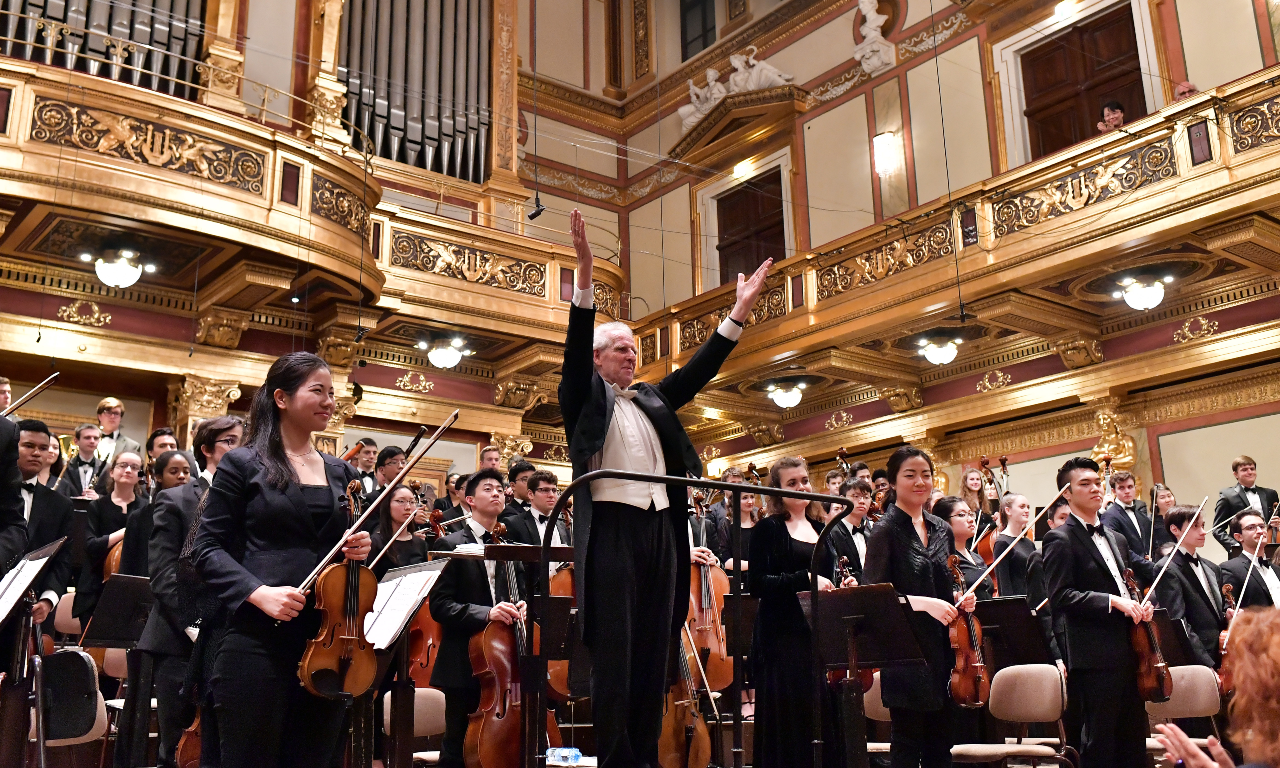
Event
 Share
Share
DVORAK
Cello Concerto
(40 minutes)
BRAHMS
Symphony No. 2
(43 minutes)
BENJAMIN ZANDER, CONDUCTOR
HAYOUNG CHOI, CELLO
The repertory for the cello has seen a huge expansion in the 125 years since Dvořák wrote his Cello Concerto, but it is still the most popular work ever written for the instrument. One hears echoes of it in countless works written since it was new, and it taught a lesson to Brahms, who said near the end of his life that he would have written a cello concerto himself if he had realized what the instrument, as demonstrated by Dvořák, was capable of doing. The concerto has a special place in the repertory of virtually all cellists – it acts as their official calling card. Every cellist seems to develop a uniquely personal relationship to this piece, an almost symbiotic connection between the character of the music and the personality of the cellist playing it.
Brahms’s Second Symphony will close out the program. This beloved symphony is the closest Brahms ever came to writing a “pastoral” symphony. With its wonderful evocation of the out of doors in bright sunshine – not a frequent occurrence in the music of Brahms.
This is a live concert that will be live streamed! and be sure to read through our support page for Boston Philharmonic virtual events.
Antonín Dvořák Cello Concerto in B minor, Opus 104
Johannes Brahms Symphony No. 2 Symphony No. 2 in D major, Opus 73